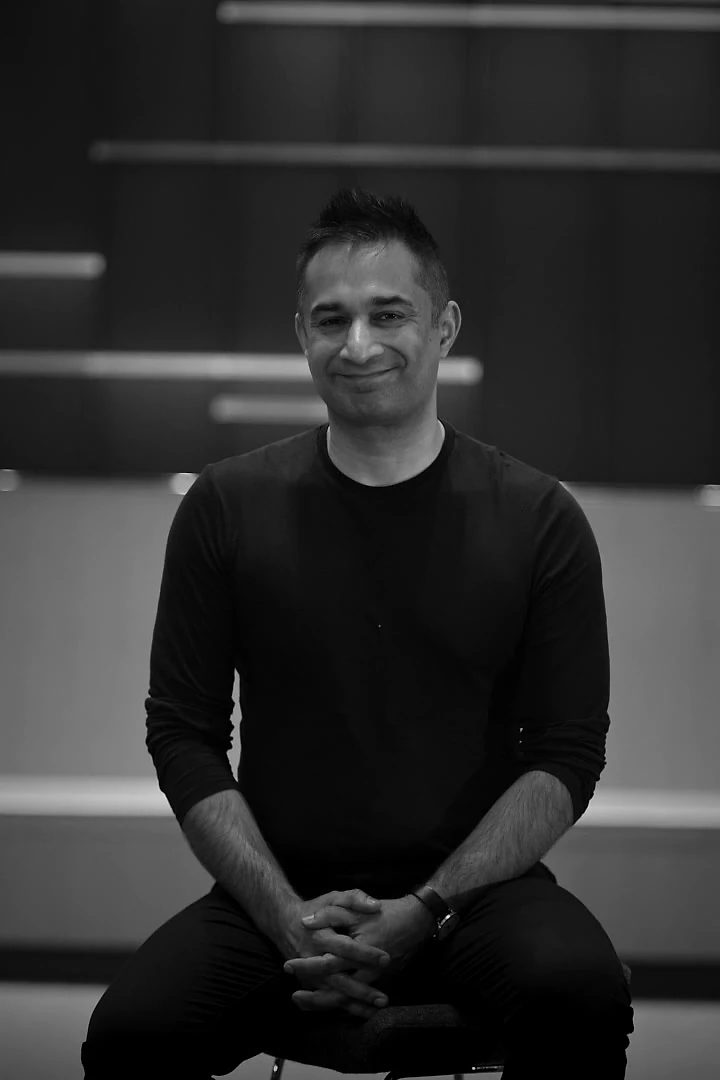
ZohaibAkhtar
Building the neuro-symbolic AI for medicine.
About
I have spent my career looking for better ways to treat people, first inside hospitals, and now on an exponentially larger scale.
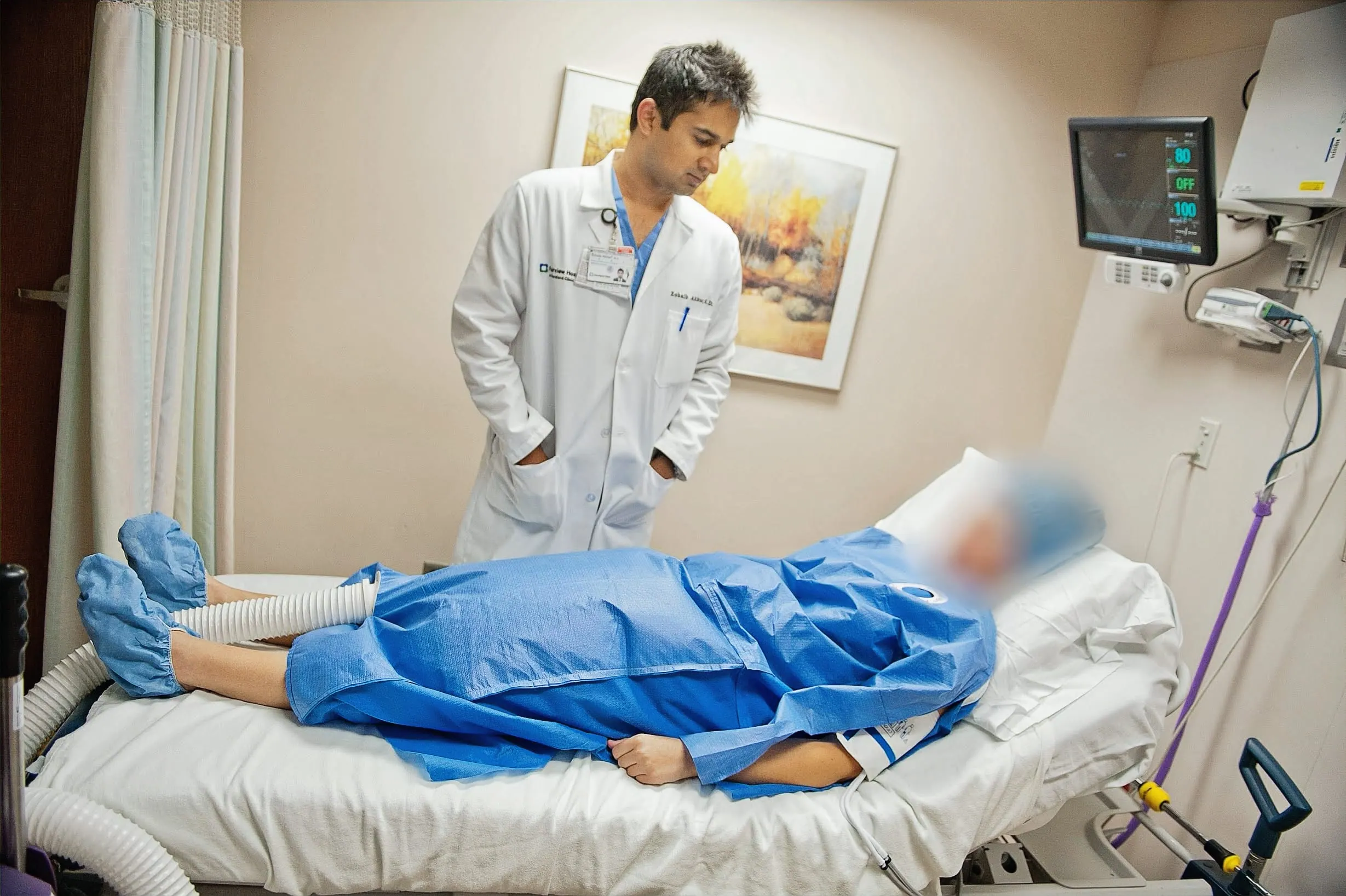
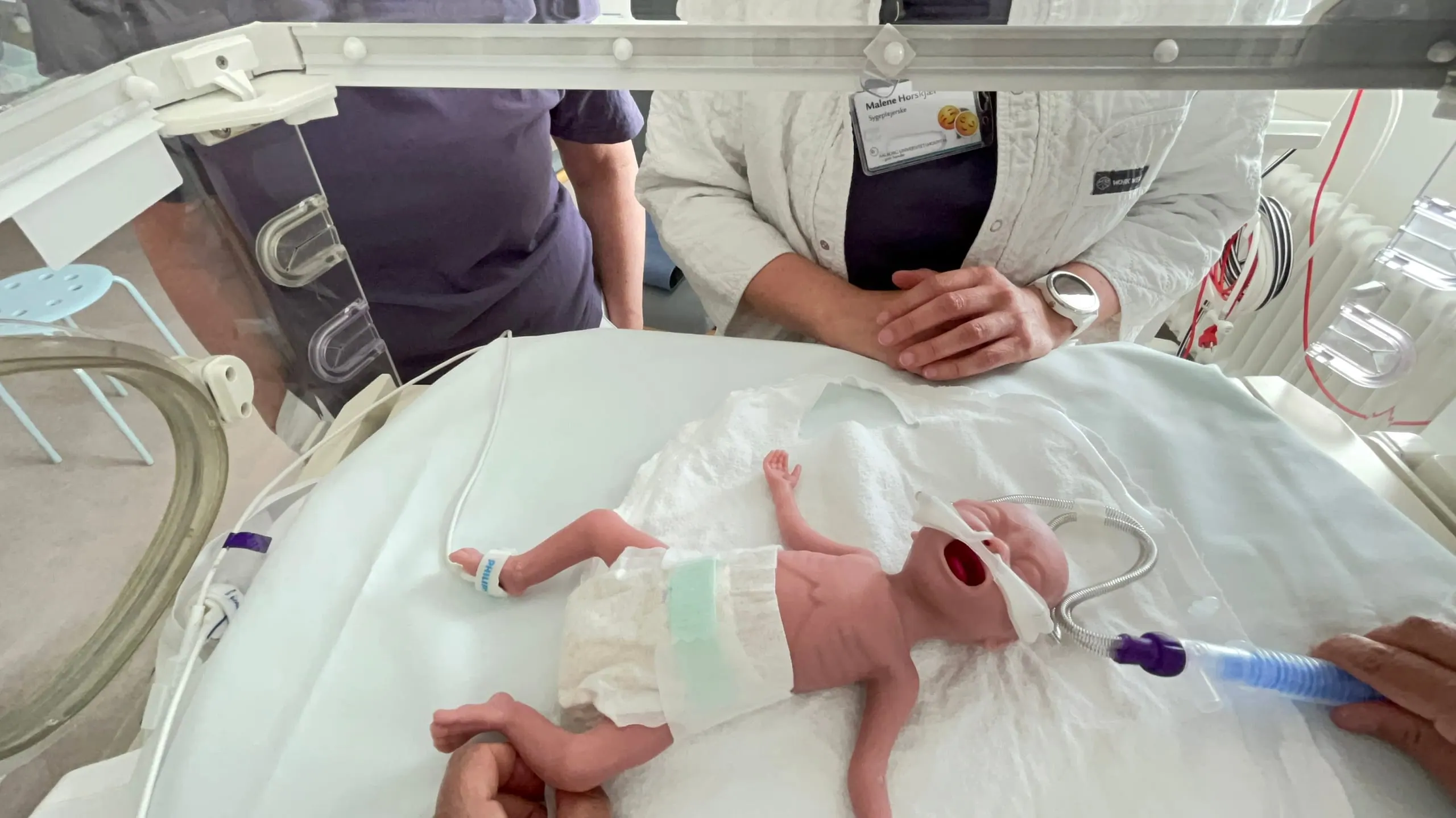
Most of that work changed how care is delivered. At Johns Hopkins I started a cancer clinic where every specialist sees the patient on the same day, and treatment delays fell by 60 percent. At Cleveland Clinic, hypothermia during surgery was common and expected. I found ways to prevent it, because a cold patient bleeds more and recovers more slowly. In Denmark I learned biomedical design, to see problems through more than a clinician's eyes. And at Northwestern Kellogg I studied healthcare strategy: how care is paid for, organized and scaled.
Each of those changes began the same way: noticing what was being missed, and catching it earlier. Chroneme carries that much further. I am building it with my co-founder, Adam Wolfe, whom I met at Kellogg. It is an advanced medical system that uses neuro-symbolic AI to deliver better care at scale. It learns from data and reasons with explicit clinical logic, so it notices what matters in a patient the way a physician does, and shows why. It makes caregivers far more capable, and gives people an understanding of their own health, and control over it, that was never possible before.
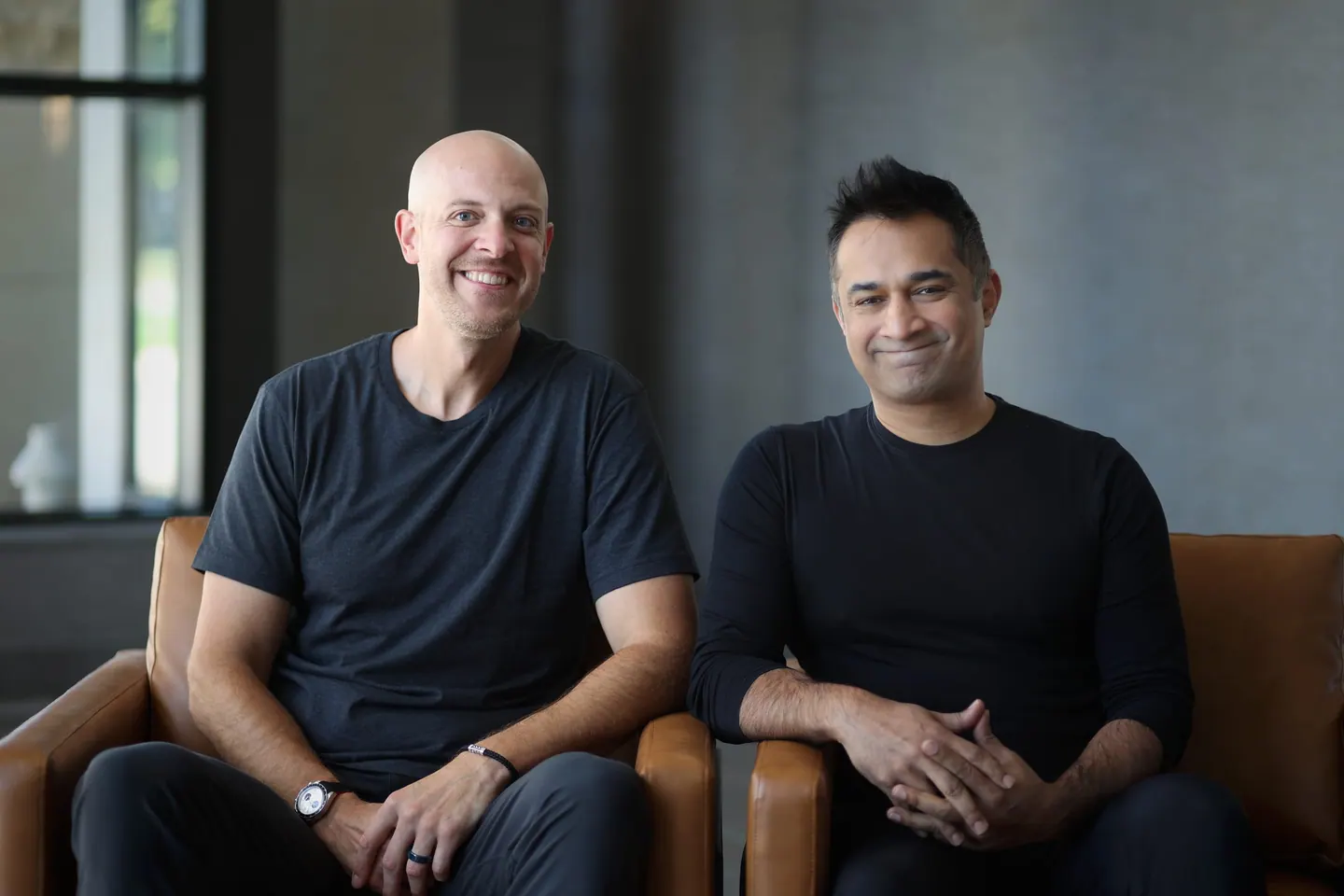
I also have selfish reasons. People I love lost their health and their lives to medical errors, poor access to care and delayed treatment. I know what it costs when care arrives late.
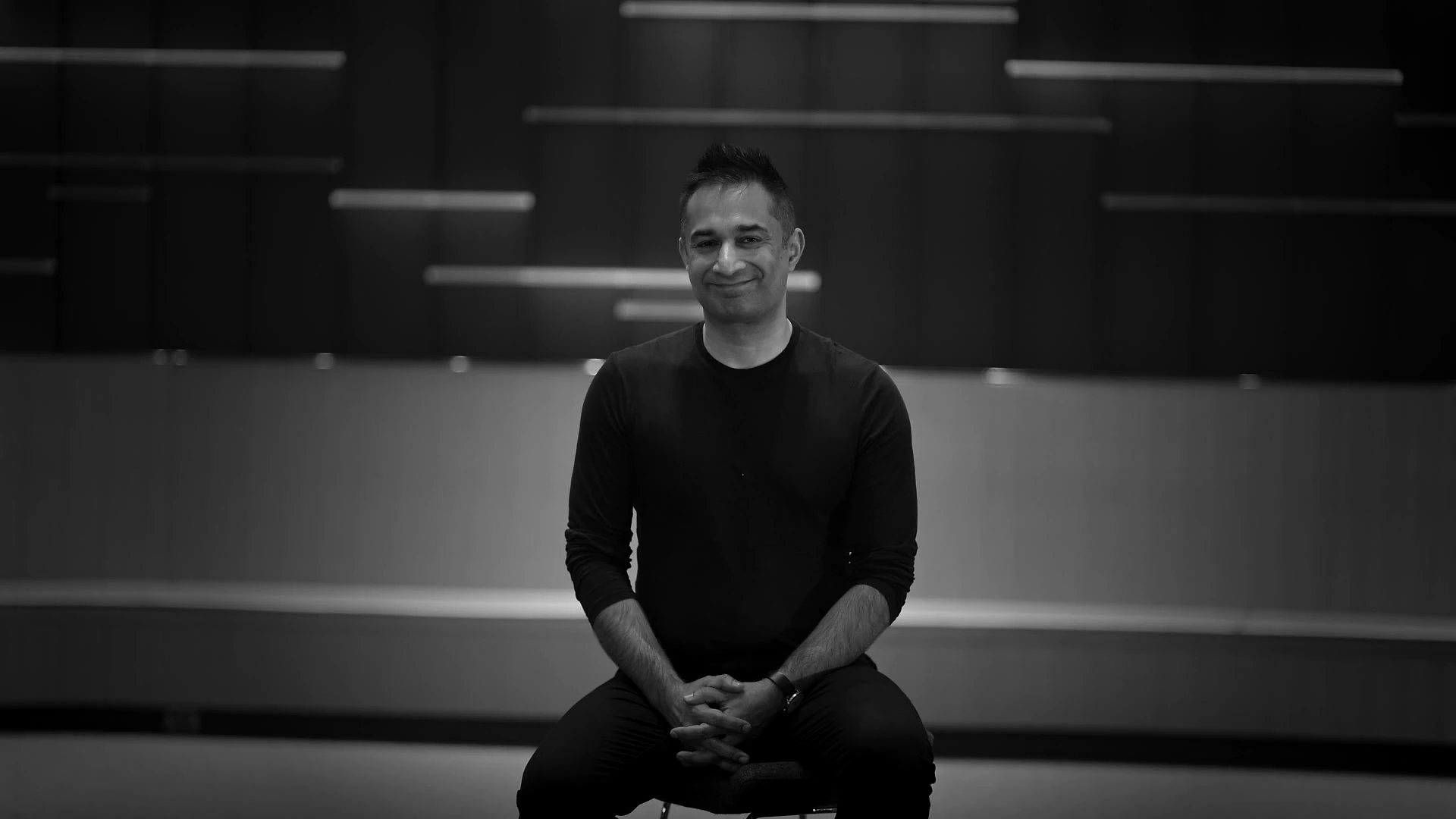
Outside work I photograph people, cycle and write. I am married to Chenyu Li, and close to my parents, my three siblings and their families, and friends around the world.

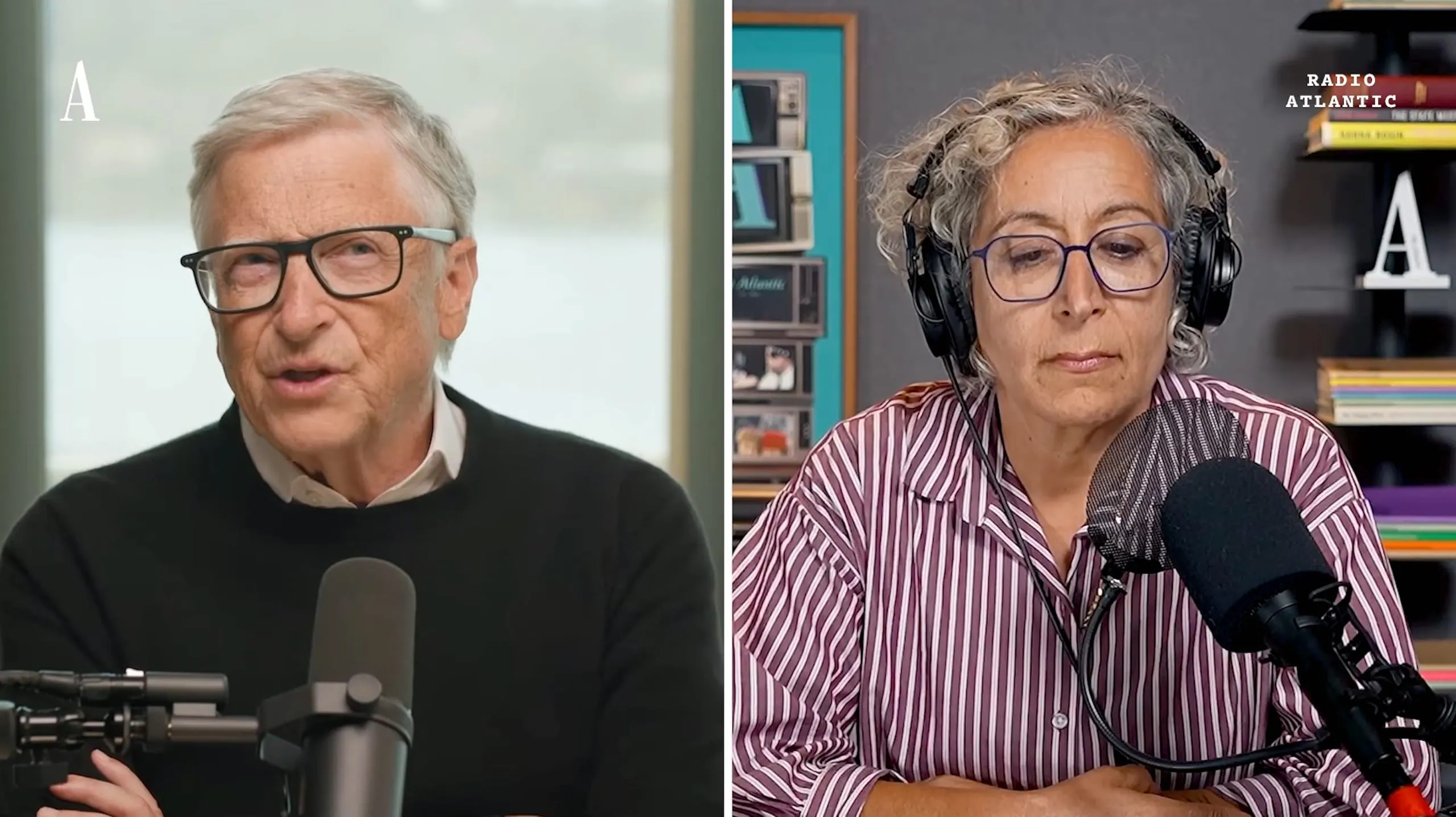 31 Aug 2026 · Clinical AI · 3 minThe part of the Gates interview nobody is answeringI watched the interview where Bill Gates says he has changed his mind on AI. Most of it is what you would expect. Capabilities arrived faster than he thought. Bioterror, cyber, jobs. But one complaint kept coming back, and it stayed with me longer than the…
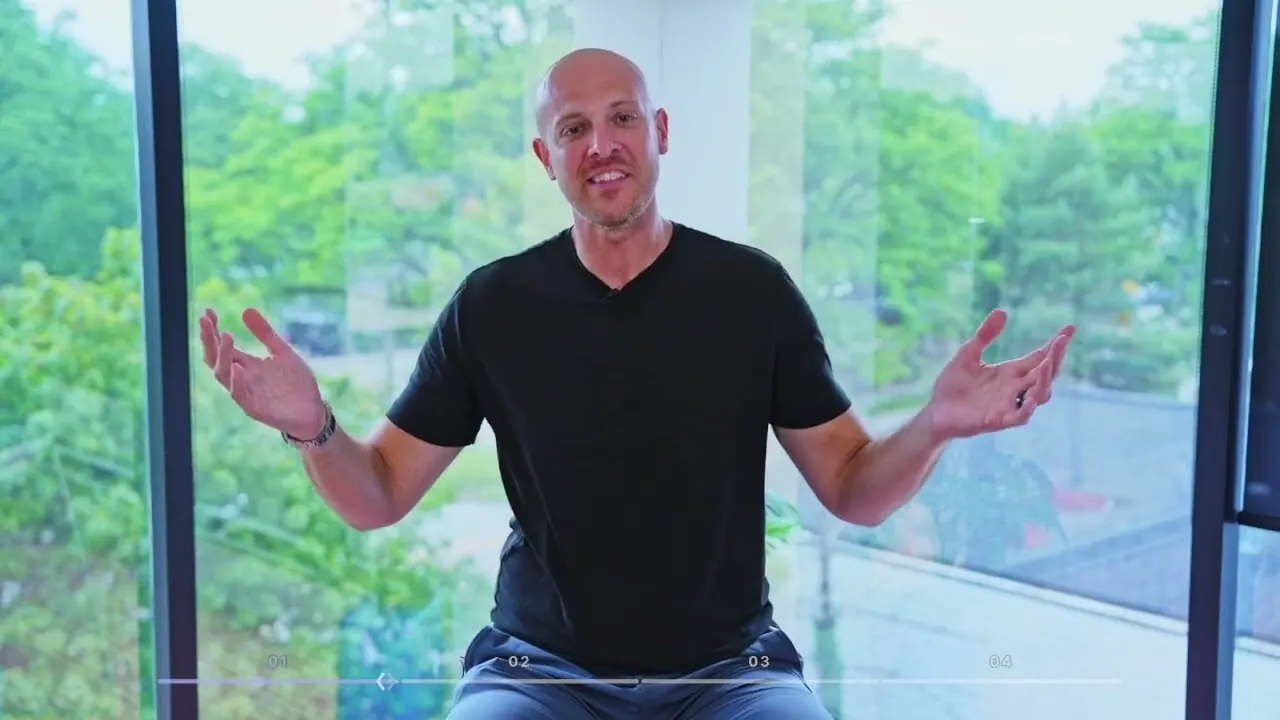 25 Aug 2026 · Building Chroneme · 1 minAdam Wolfe @ ChronemeAdam Wolfe recently wrapped up his chapter at United Wholesale Mortgage and this tells the rest of the story of what attracted us to work together.
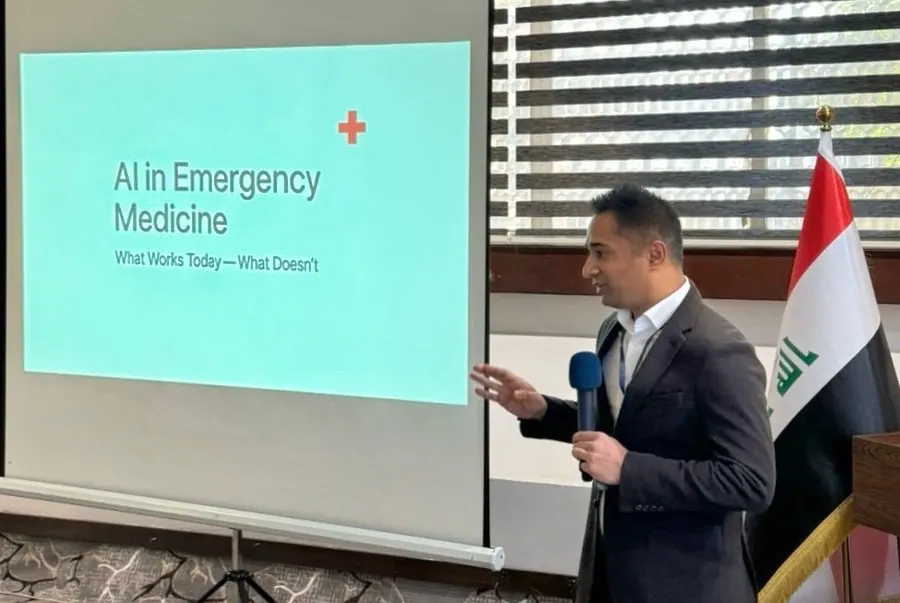 12 Jul 2026 · Health systems · 10 minThe hospitals that never went digital may get there firstThis is related to my visit to Baghdad in October 2025, at the invitation of the ICRC Iraq Delegation and the Iraqi Ministry of Health, to evaluate healthcare in the country.
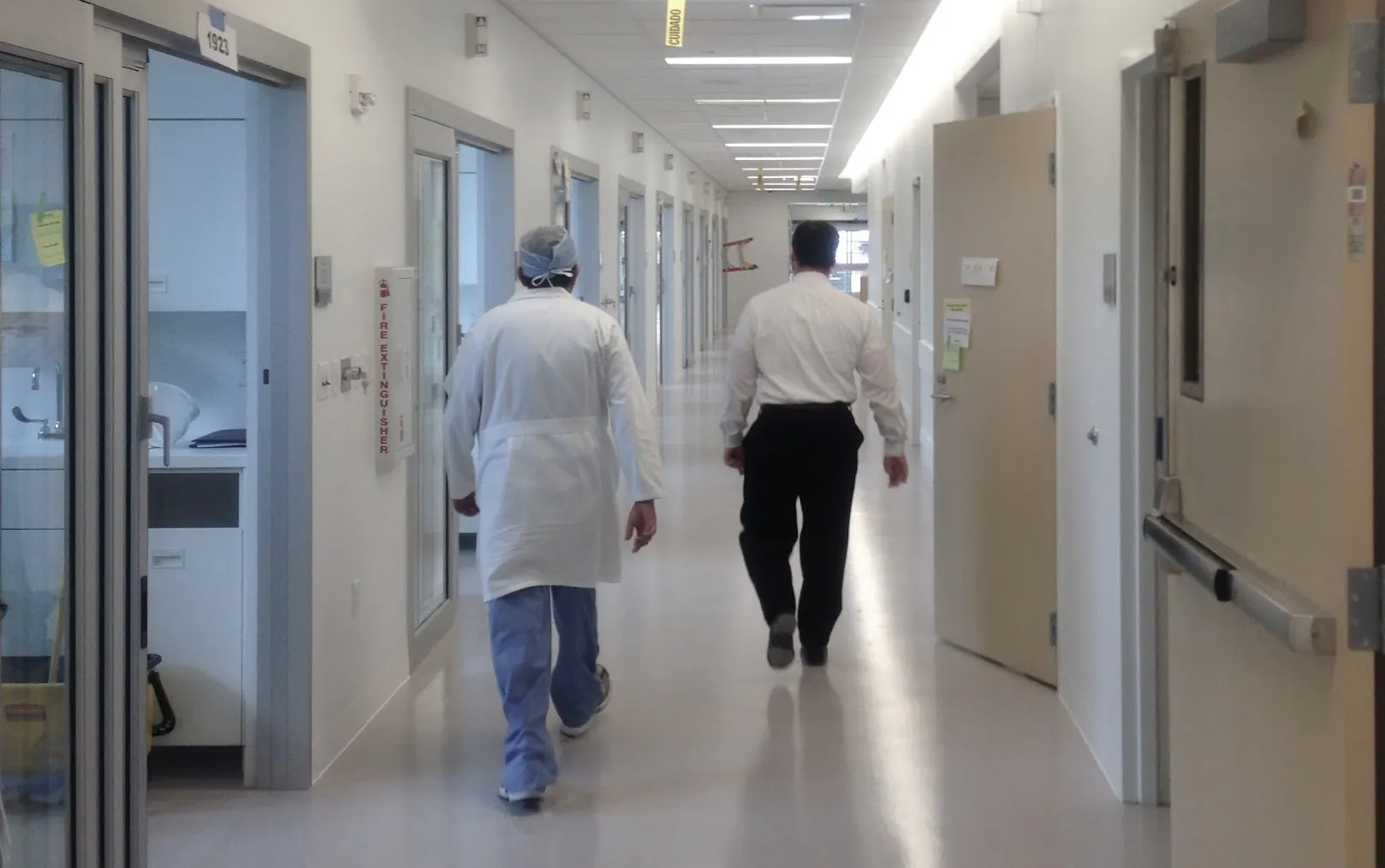 26 Jun 2026 · Clinical AI · 4 minWhom clinical AI servesA few years ago the most widely deployed sepsis prediction model in American hospitals was independently evaluated. Sepsis is what happens when an ordinary infection tips the body into a chain reaction that starts shutting down organs. It can kill within…
 13 Jun 2026 · Clinical AI · 5 minWho owns the front door?I followed Apple's WWDC keynote this year, and then most of a week of writing about it, waiting for someone to say the thing that seemed obvious to me by the end. No one did. So here it is.
 8 Jun 2026 · Life · 6 minThe only place you can workI read Eckhart Tolle a few years ago. It took a while to make it past the third chapter, and I had to read the early ones six times before I could get a grasp of it. It is hard for a brain to stop running possibilities, predicting scenarios, or thinking about…
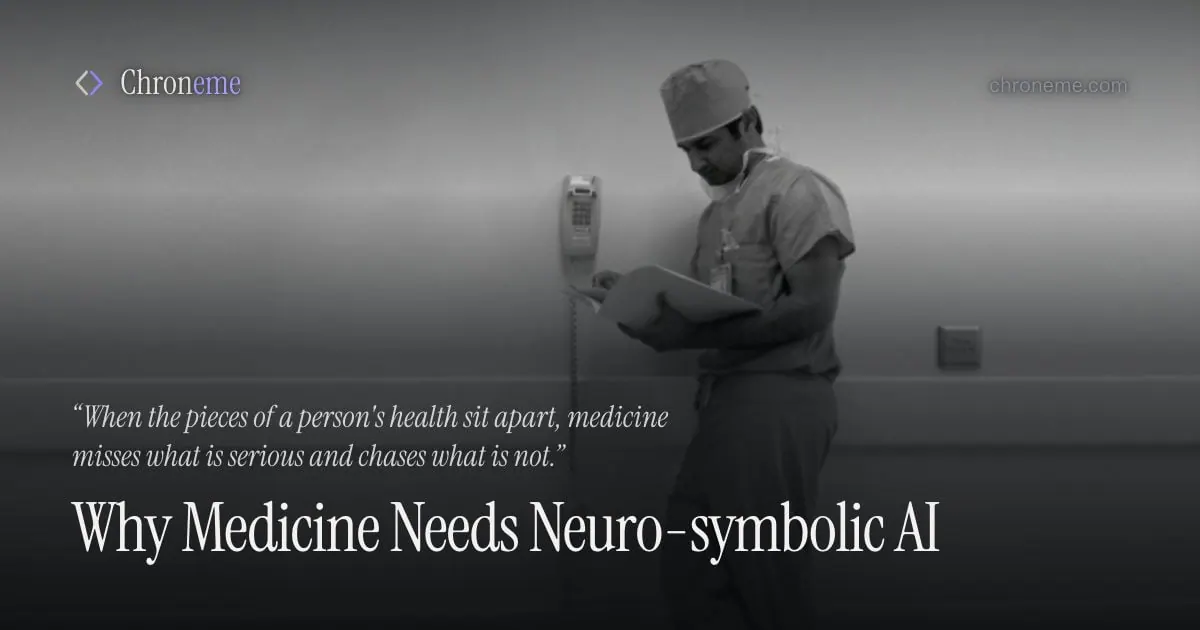
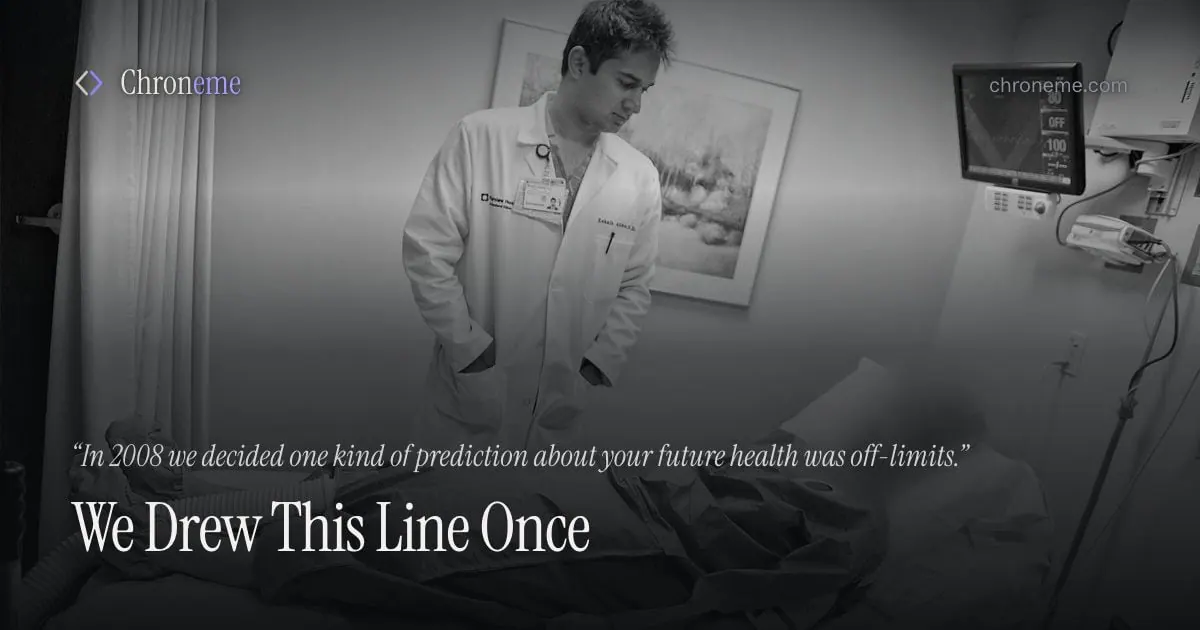
Photographs
Work
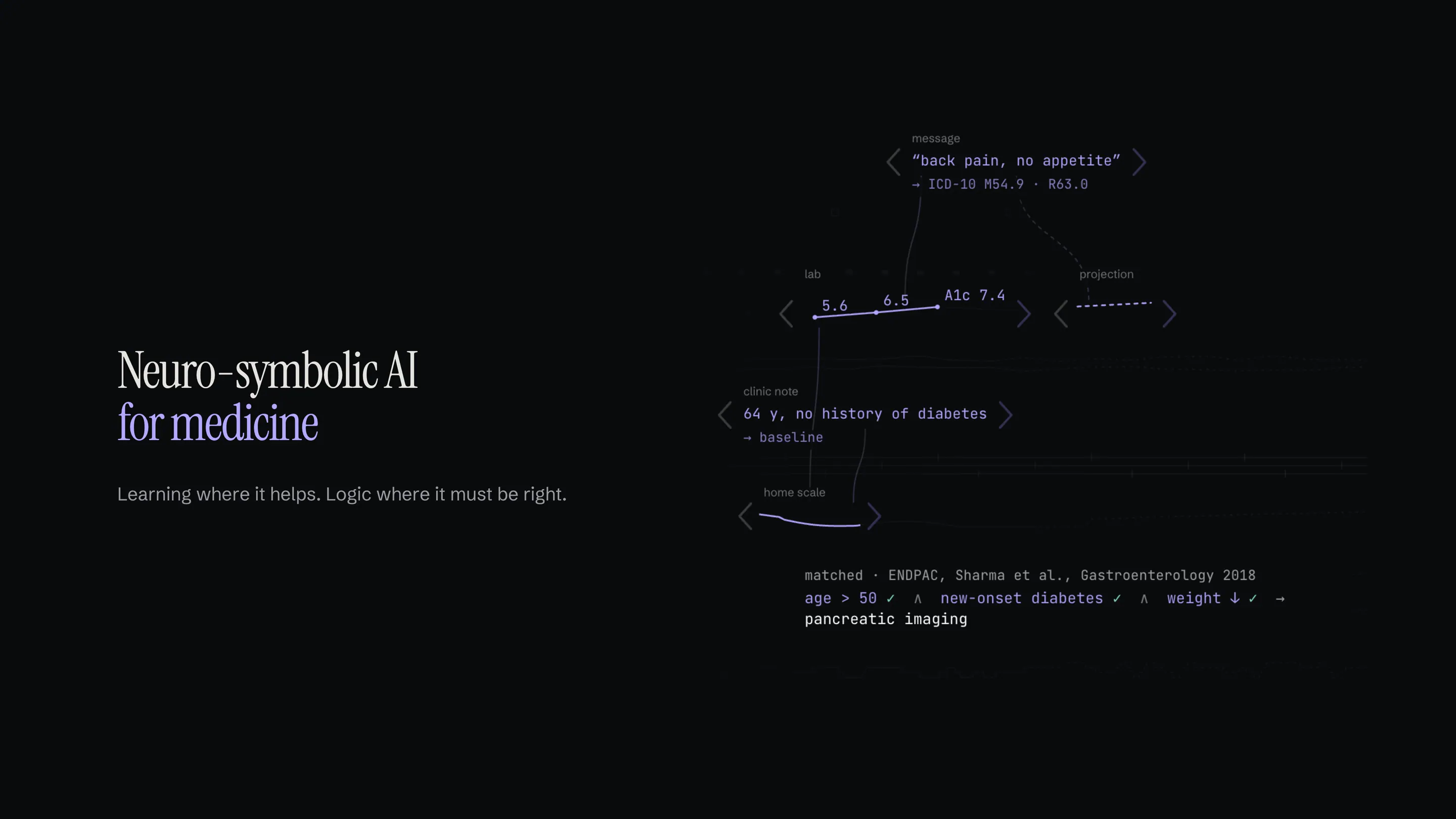
Good care is well informed, continuous, efficient and fair in cost. It doesn’t stall on paperwork, and it brings research, technology and evidence together to prevent harm before it happens. For most people, care still arrives in visits, with the signs in between left unread. Chroneme is neuro-symbolic AI for medicine, and the first step to closing that gap.
chroneme.com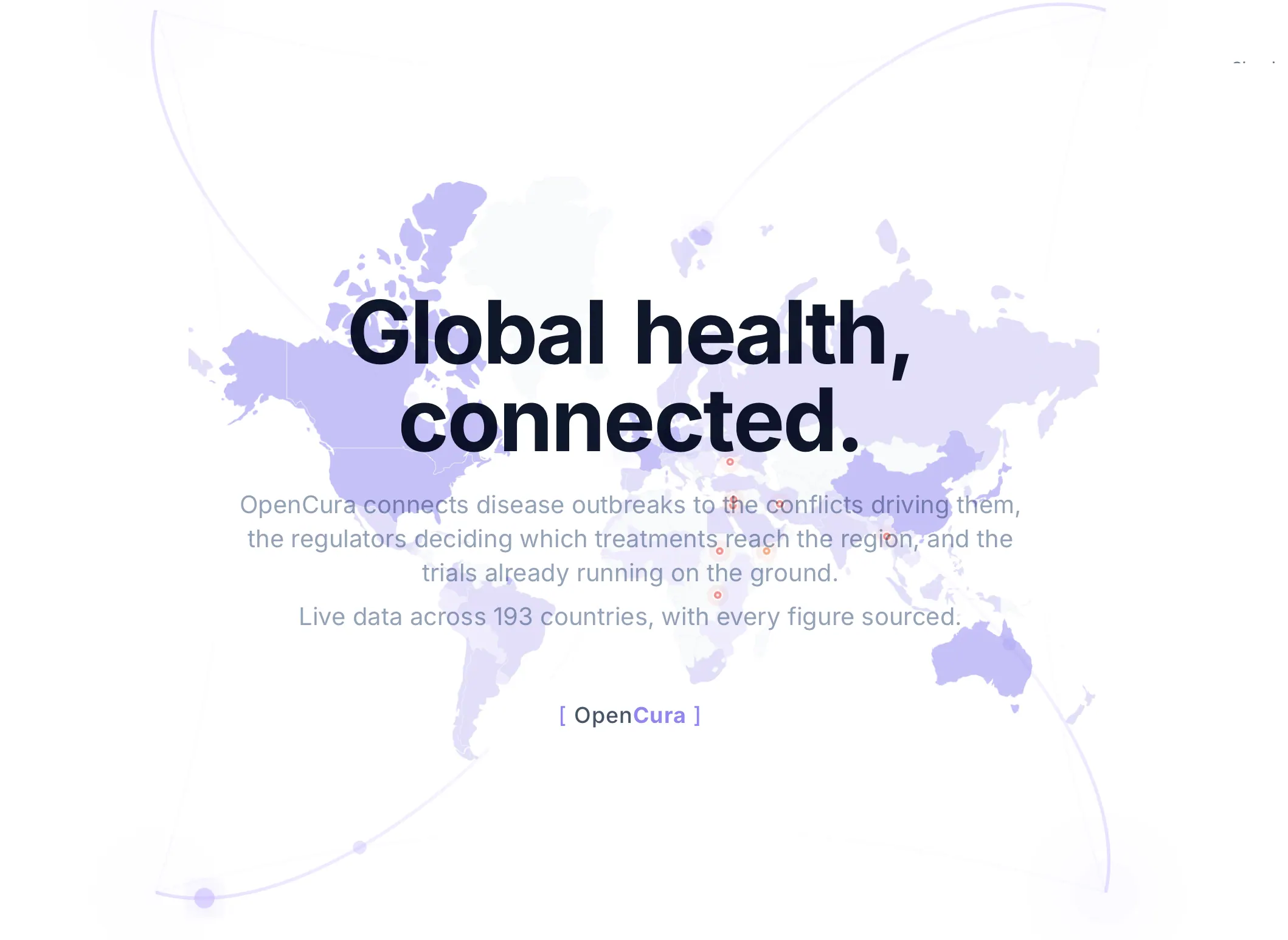
Health improves when the people closest to a problem can see it clearly, and in time. Today the picture of outbreaks, conflict and need is scattered across reports and agencies, and it often reaches a clinic or a district last. OpenCura is live global health intelligence across 193 countries, so the people closest to a problem have the same view as the people furthest from it.
opencura.org